
Blog
All Posts
On Exponential Growth and ROI in Startups
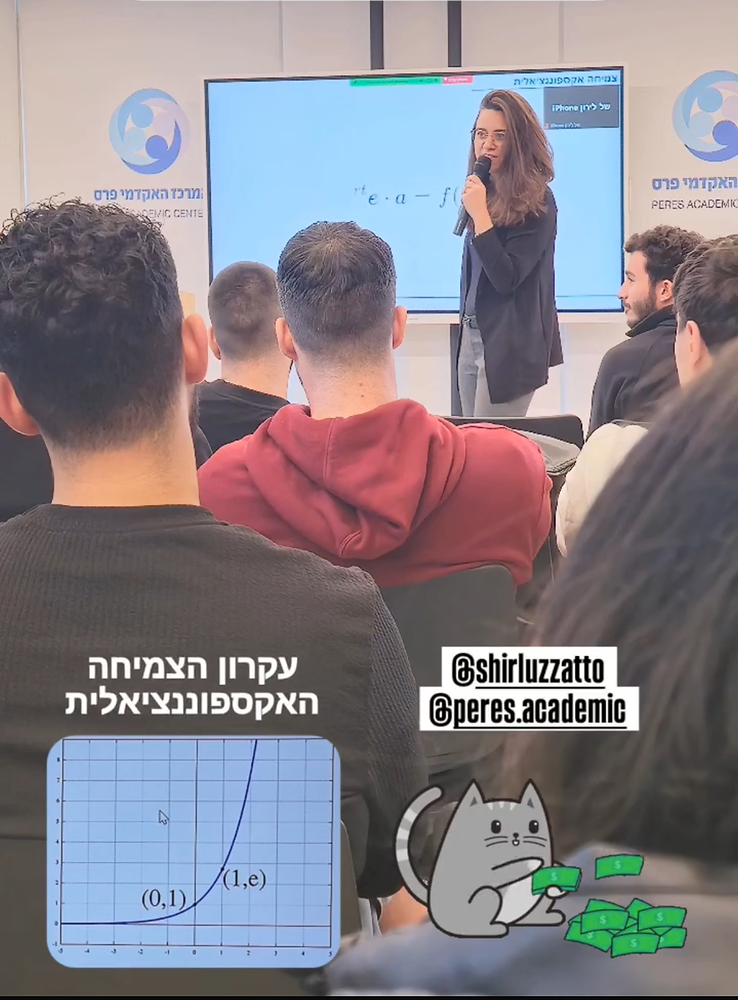
What do investors really look for? On exponential growth and ROI in startups. I am writing this post following a lecture series I gave at the Peres Academic Center, titled “From Zero to Exit: Secrets from the Field”. One of the most interesting questions the students raised was: “What really interests investors? What do they look at when they consider investing in a startup?” Over the years, in roles in which I worked with startups at different stages – from the initial idea all the way to the exit – I discovered that what almost all investors have in common is the search for exponential growth potential. But before we get into that, I want to reassure you… Shir Luzzatto
Between Tel Aviv and Delaware: Where Should You Incorporate Your Company?
In recent weeks, I keep hearing the same question over and over: “Where is the right place to open my company—in Israel or abroad?” This is not a technical question. It is a question that comes from a place of deep deliberation, especially at a time when our economic and geopolitical reality is changing rapidly and is in an unprecedented state of financial uncertainty. To answer it, we first need to look at the big picture: how did we get to a point where this decision is so complex? What happened to the Israeli economy following October 7? And what are the real considerations a founder needs to take into account when building their company today? What was the situation before October 7…Shir Luzzatto
Let’s Make Israel Great Again?
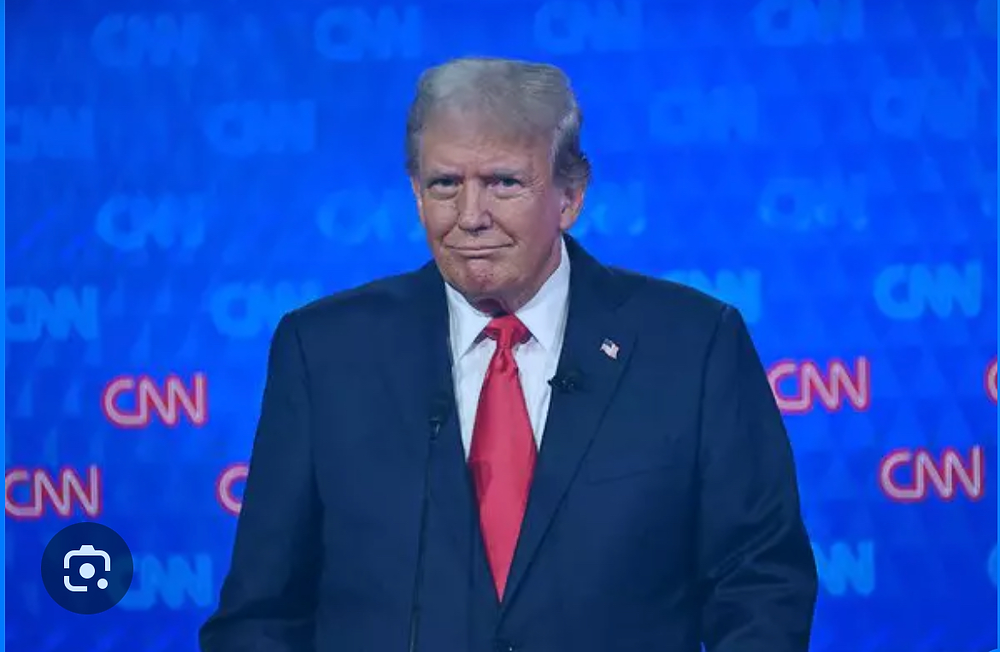
Trump – the man, the hairdo and the Twitter – is returning to power. You can love it or relate to it less, but it is a given. And what does it mean for us? Changes, upheavals and above all – lots of opportunities hiding behind risks. Don’t make the mistake of going back to scrolling Ynet – this is not just another American political drama in the style of "House of Cards". When America changes the rules of the game, Israeli startups may find themselves in an entirely new game – or, alternatively, in exactly the right place to lead the next move. Trump – the serial rule-breaker. If there is one thing Trump proved in his first term, it is that he knows how to…Shir Luzzatto
How to Talk to Investors: The Terms Every Founder Must Know Before the Meeting
Picture this: you're sitting across from an investor, one of the most powerful in the market, the one who can fly your company to the dream or stop it on the runway. He studies you with sharp eyes and asks you a direct question: “So what does your Runway look like?” You nod, trying to understand, and then he throws another question at you, this time about the Cap Table and the expected dilution. You start to suspect there's an entirely new language here, but you try not to show the panic. The questions keep coming, and you realize that without mastering these terms, you could miss the opportunity.Shir Luzzatto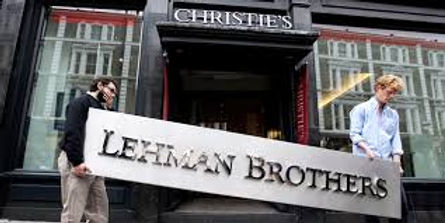
What Do the Subprime Crisis and the Swords of Iron War Have in Common?
When we try to draw parallels between major historical events, it can feel as if we are searching for points of light in the dark. Yet sometimes, their economic and social effects teach us about the power of change and crisis to strengthen or weaken entire countries. In 2008, a severe global economic crisis broke out, beginning with the bursting of the real estate investment bubble in the US, which led to a dramatic drop in housing prices and mortgage defaults.Shir Luzzatto
The Return from October
Our home was not a nest for us, it was not a wall. Through the torn windows blew a wind, a lonely wind from the field where the uncle was murdered. The house was breached. The ceiling did not cover the sky, did not hold back the abyss. Everything was cracked, open to God and to terror (Zelda) Saturday, October 7, caught my family and me at our home on a kibbutz in the Negev. Geographically, we were only a chilling few kilometers away from terrorists breaking into our home, but close enough that among the 1,476 people murdered there would be far too many beloved names and faces.Shir Luzzatto
On the Connection Between a Yellow Desert, Broken Tiles and Unicorns
Equality and technology entrepreneurship. Excellent entrepreneurship, the kind that manages to lead real change in reality, together with the sense of mission that lives within it both in routine times and when facing difficulties and challenges, requires dreamers to behave differently from most of the people around them. Despite the widespread popular belief about material abundance in the world of high-tech, when it comes to startups the picture is the opposite.Shir Luzzatto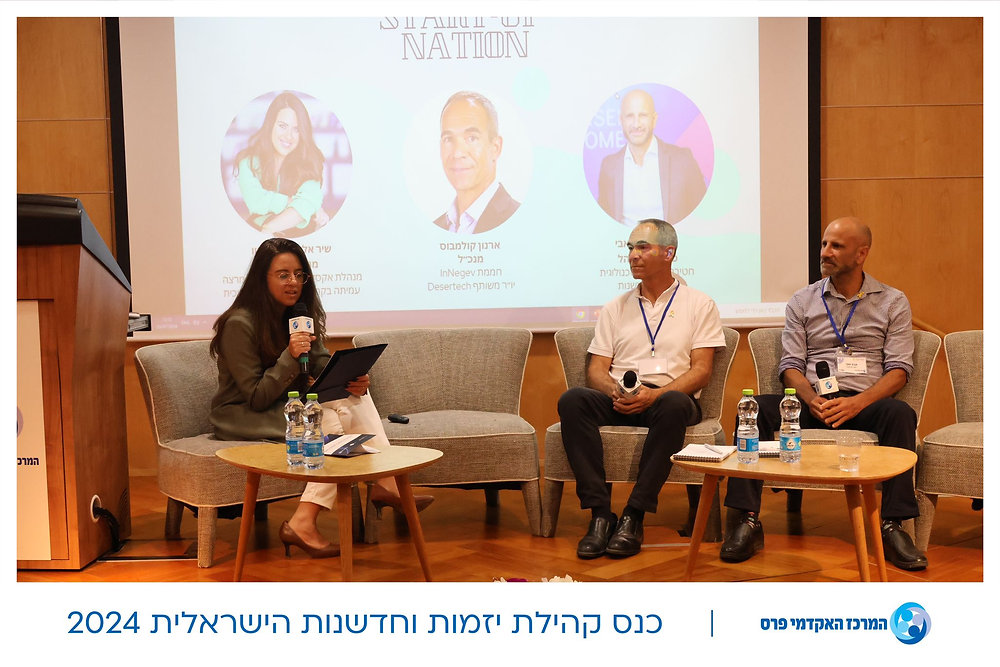
The dry report never gets wet, not even from a startup founder's tears.
2024 finds the State of Israel in one of the hardest moments in its history. Since the events of October 7, our main focus has been on restoring security and caring for the hostages, the soldiers and civilians. However, the Israeli economy, and Israeli high-tech and entrepreneurship in particular, also demand our attention, as the locomotive or, in the spirit of the times, the "Iron Dome" of the Israeli economy.Shir Luzzatto
Successes, failures and everything in between.
This week I stepped out of my comfort zone. I stood in front of a very distinguished but sympathetic audience and presented nothing less than a resounding failure. The kind that leaves scars and is really not photogenic. It made me stop and ask myself: what is the role of failure in our entrepreneurial journey? Or in our professional journey in general?Shir Luzzatto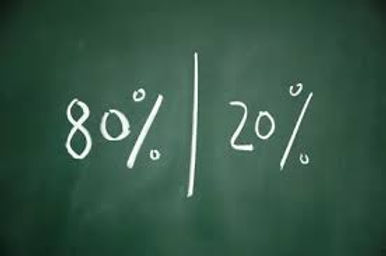
How Dropbox, Airbnb and Facebook applied the Pareto principle to build a winning MVP – and how you can do it too.
When I started studying economics in depth, I fell in love. The theories explained phenomena that fascinated me in real life, and suddenly everything made so much sense. In the entrepreneurship course I taught, on the other hand, I felt that academic theories were often simply disconnected from reality. But not so with borrowing economic principles. If there is one thing I have learned in recent years, it is that hard work is not necessarily smart work.Shir Luzzatto